How to Know If Your Water Tank Needs a Top-Up (Before It Runs Out)
TL;DR
Running out of tank water is one of those problems that sneaks up on you. One day the pressure seems fine, and the next you're turning on the tap to nothing. This guide will help you stay one step ahead, so you know how to check your tank, what warning signs to watch for, and when to book a delivery before things get critical.
How to Check Your Water Tank Level
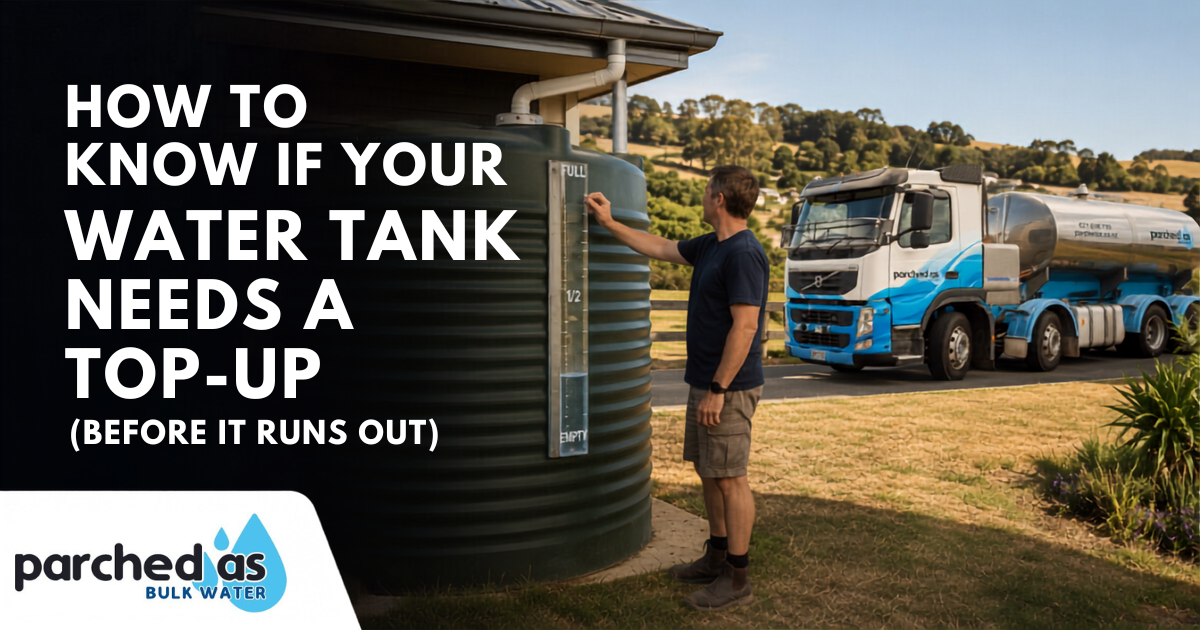
The most reliable way to check your tank is with a water level gauge. Many tanks have a sight glass or a float gauge fitted to the side. These give you a clear read on how much water you have left at a glance.
If your tank doesn't have a gauge, a simple visual check works well. Open the lid and look inside, or use a clean measuring stick to gauge the depth. Mark it against the full capacity of your tank to get a rough percentage.
You can also pay attention to your water pressure. If your pressure seems slightly lower than usual, that's often the first sign your tank levels are dropping. Keep an eye on how often your pump is cycling on and off, as a pump working more frequently than normal is a common indicator that levels are getting low.
Signs Your Tank Is Running Low
Low water pressure is usually the first thing people notice. If your shower feels weaker or your taps seem slow, it's worth heading outside to check the tank straight away.
Discoloured water is a more serious sign. When tanks run low, sediment that's settled at the bottom gets disturbed and pulled through the system. If your water looks cloudy or has a slight colour to it, your tank may be close to empty.
Listen for your pump as well. A pump that runs constantly, makes unusual sounds, or seems to be working harder than normal is often pulling from very low reserves. If you rely on tank water for stock animals, also check whether your troughs and automatic fill systems are keeping up, as animals can drain a low tank faster than you'd expect.
When to Book a Water Delivery
Most water specialists recommend you don't wait until your tank is below 20% before taking action. A good rule of thumb is the 30% rule: when your tank drops to around 30% capacity, it's time to book a delivery.
That buffer matters for a few reasons. It keeps sediment from being drawn into your pipes. It protects your pump from running dry. And it means you have time to plan rather than scramble for an urgent delivery.
Summer in Franklin is when demand is highest and tanks run low the fastest. The combination of heat, dry spells, and garden or stock water use can drain a tank much quicker than people expect. Booking ahead during summer is always the smarter move.
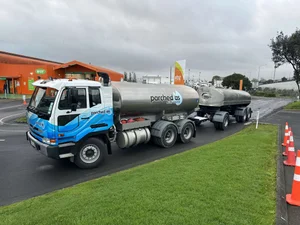
Parched As delivers bulk water across Franklin and the wider South Auckland area. We service Pukekohe, Waiuku, Pokeno, Karaka, Drury, Hunua, and Papakura, with flexible scheduling to suit rural properties. Whether you need a regular top-up or a one-off delivery to get through a dry stretch, we're ready to help.
Running low on tank water doesn't have to become a crisis. A few simple checks each month and a clear sense of when to call for a delivery will keep your household running smoothly year-round. The team at Parched As is here to make sure you never have to worry about the tap running dry.